How Osteopathy Can Help You ?
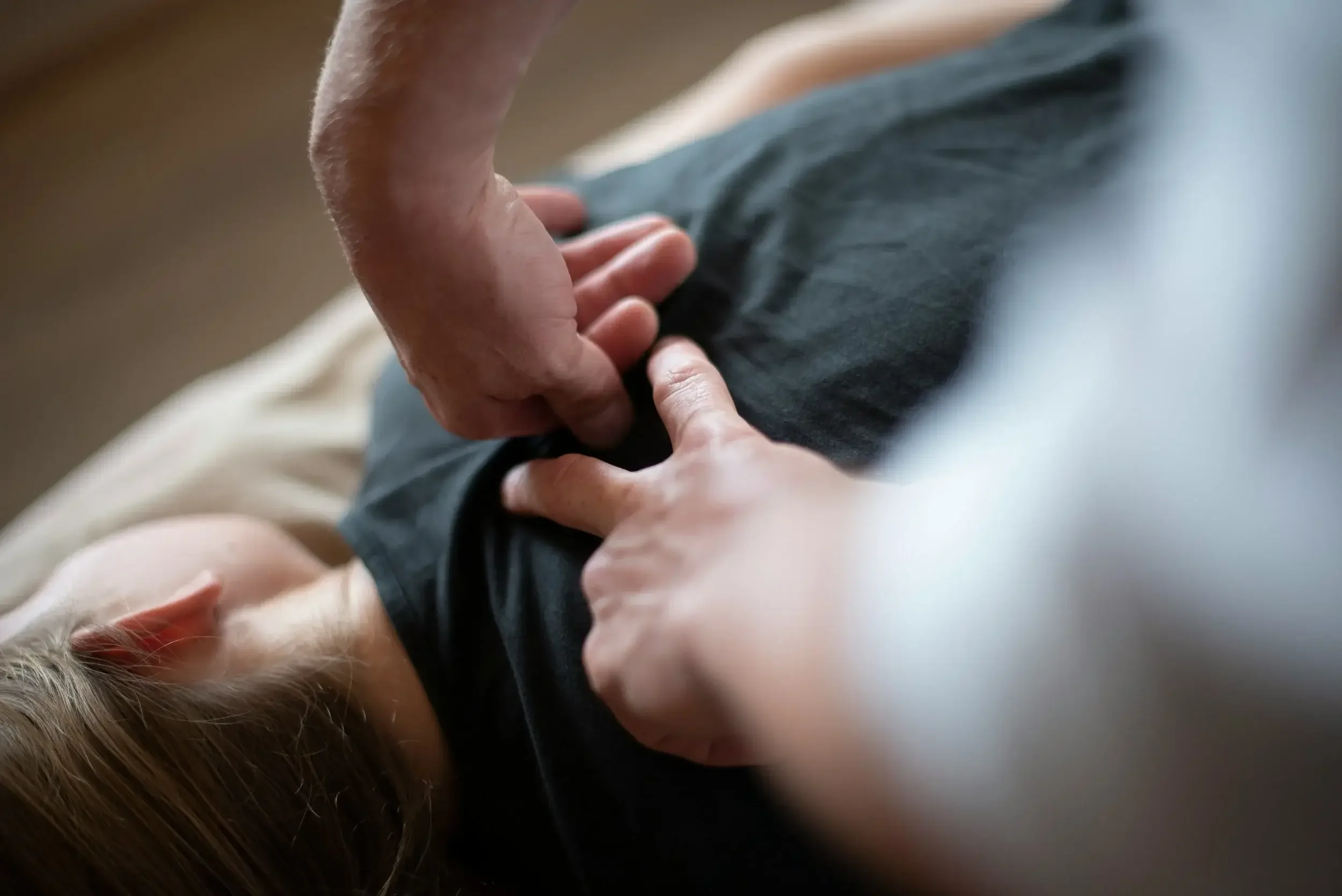
Back & Lumbar Pain
What it is: Back and lumbar pain often stems from postural imbalances, creating asymmetric muscle tension, reduced mobility, or compensations in the pelvis, diaphragm, and abdominal organs.
How it happens: Long hours of sitting, improper breathing patterns, stress, repetitive movements, or old injuries can all create restrictions in the spine and surrounding tissues.
How we treat it: I work gently on the spine, pelvis, and surrounding tissues to restore mobility and ease tension. I combine structural techniques with fascial release and visceral techniques, especially when abdominal restrictions contribute to lumbar discomfort.
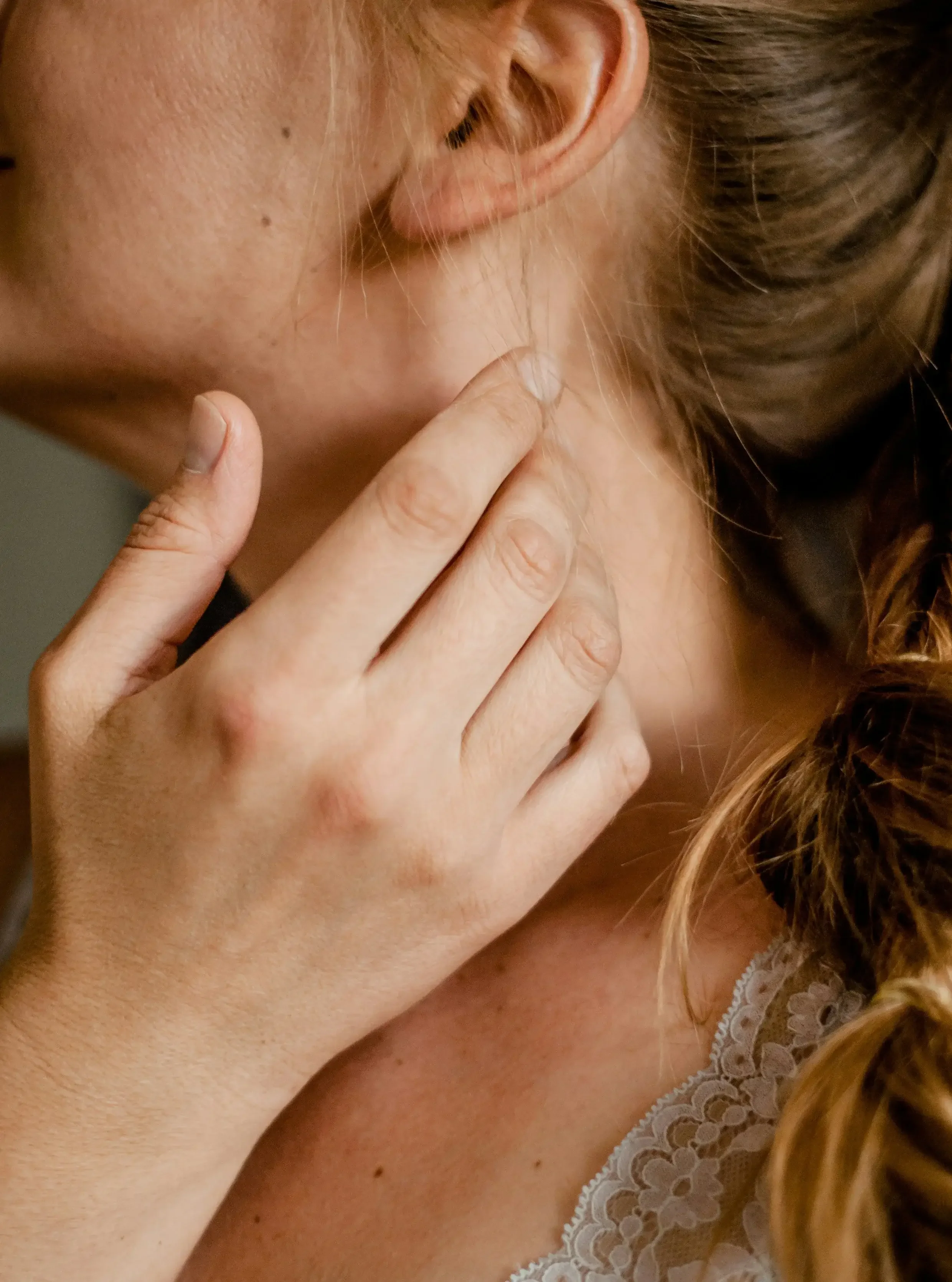
Neck and Shoulders Pain & Postural Imbalance
What it is: Neck and shoulder tension often originates in the cervical spine, leading to muscle stiffness, reduced mobility, or tension headaches.
How it happens: Desk work, prolonged screen use, stress, jaw tension (TMJ), and shallow breathing patterns all heavily influence upper-body posture.
How we treat it: I release tension in the neck, skull, shoulders, and upper back using a combination of structural and fascial techniques. I also incorporate craniosacral work to reduce nervous system overload and address jaw tension, alongside visceral techniques when breathing or digestive restrictions are affecting your posture.
Headaches & Migraines
What it is: Headaches and migraines can be linked to tension in the suboccipital muscles, restricted vertebrae, inhibited blood flow, or jaw issues. They may also be influenced by postural imbalances, hormonal fluctuations, or cranial restrictions, such as tension in the meninges.
How it happens: Stress, neck stiffness, poor sleep, and cranial membrane tension are common triggers that can lead to recurring episodes.
How we treat it: I use craniosacral techniques to support cranial mobility and calm the nervous system. I also release tension in the neck, jaw, and upper back, while incorporating visceral techniques when digestive or hormonal factors play a role in the symptoms.
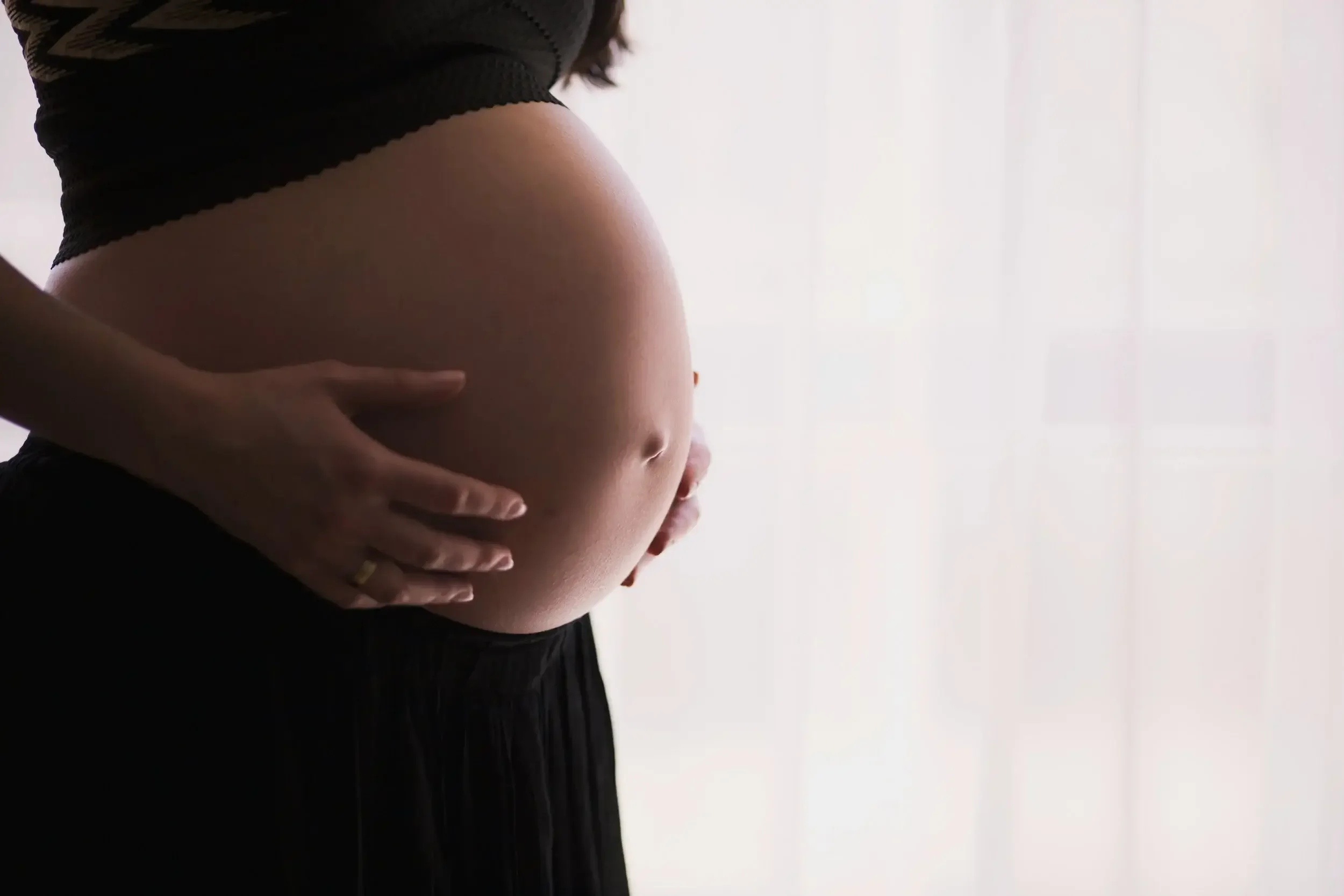
Pregnancy & Postpartum
What it is: Pregnancy significantly changes posture, pressure regulation between the abdomen and thorax, breathing patterns, pelvic balance, and organ mobility.
How it happens: As the body adapts to the growing baby, the spine, ribs, diaphragm, and pelvis must work harder, which can often lead to physical discomfort.
How we treat it: I use gentle structural and fascial techniques to ease tension in the back, pelvis, and ribs. Craniosacral work supports relaxation and better sleep, while visceral techniques help improve digestion, breathing, and organ mobility.
Follow-up: One session per trimester is usually recommended to help the body adapt to these physiological changes. Postpartum, I focus on restoring pelvic balance and easing the tension that often comes from feeding and carrying your newborn.
Stress, Fatigue & Burnout
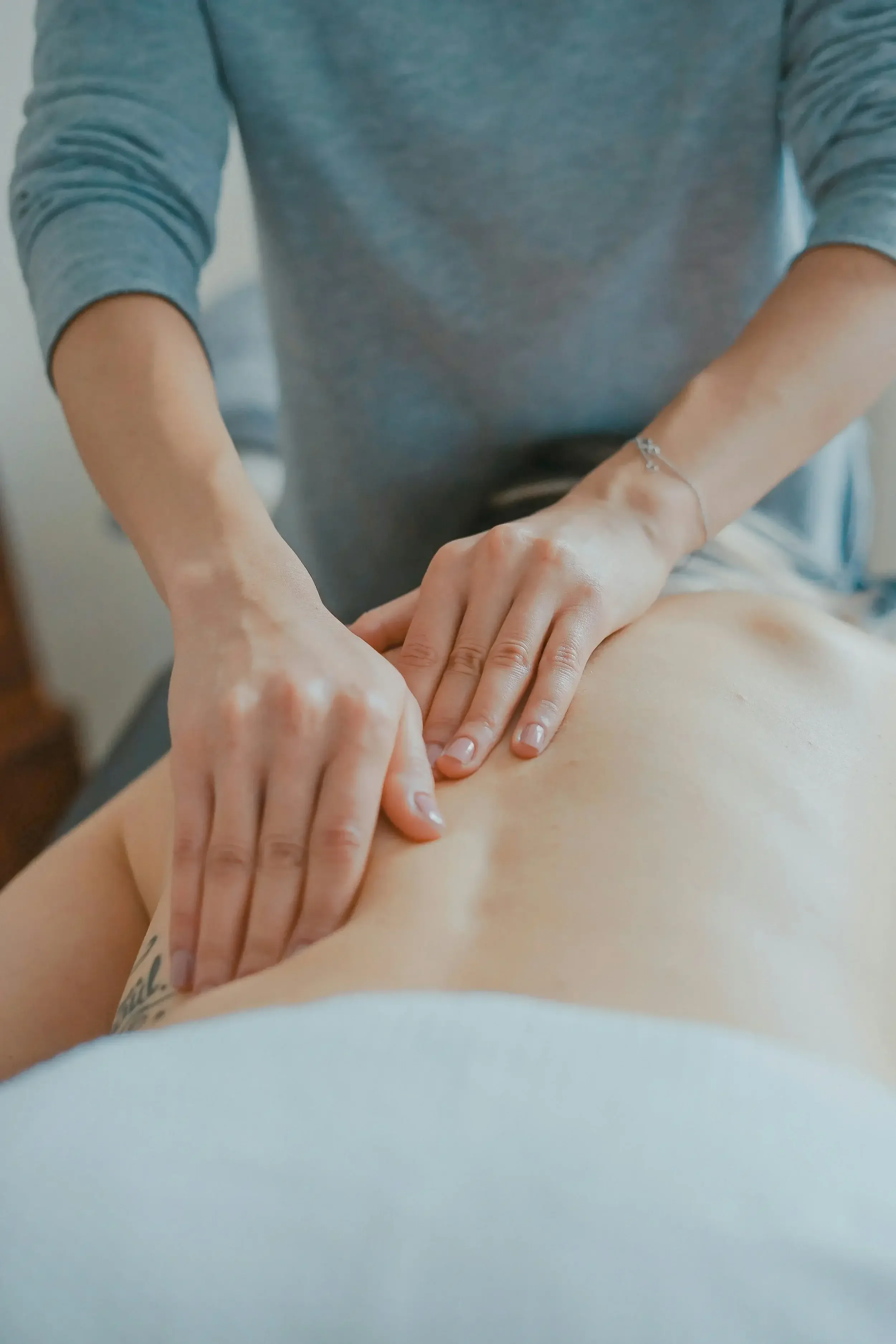
What it is: Chronic stress impacts the entire body, affecting hormonal secretion, muscle function, breathing, digestion, and sleep quality.
How it happens: When the autonomic nervous system remains stuck in a "sympathetic" or “fight-or-flight” state, it creates persistent tension patterns that affect the body's ability to recover.
How we treat it: I use gentle craniosacral techniques to soothe the nervous system, combined with fascial and structural work to release tension in the neck, chest, diaphragm, and back. Visceral techniques are used to support digestion and breathing when stress manifests in these areas. I always consider the psychosomatic aspects of a patient’s life to fully understand the connection between mind, body, and spirit.
Digestive Discomfort
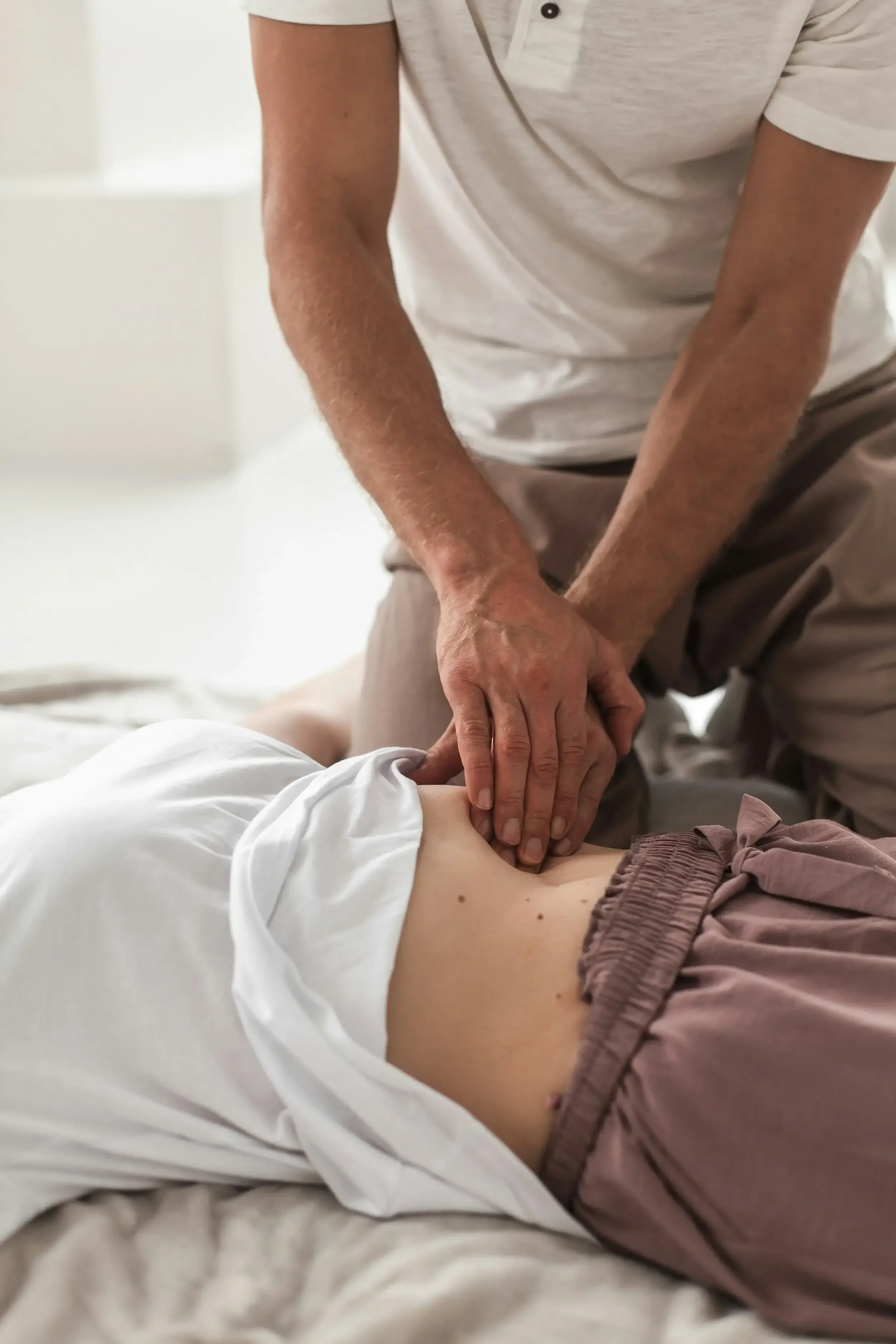
What it is: Digestive issues—such as gastric reflux, acidity, bloating, post-meal heaviness, gas, diarrhea, or constipation—often stem from reduced organ mobility or compromised tissue health (trophicity), which can originate from various causes.
How it happens: Unhealthy eating habits, microbiome imbalances, surgical scar tissue, inflammation, and chronic stress can all limit the natural movement and function of the digestive organs.
How we treat it: I use gentle visceral techniques to improve organ mobility, combined with structural work on the spine and pelvis and fascial release in the abdomen. Craniosacral work is also incorporated to help regulate the autonomic nervous system, which is essential for healthy digestion.
Sports & Active Recovery
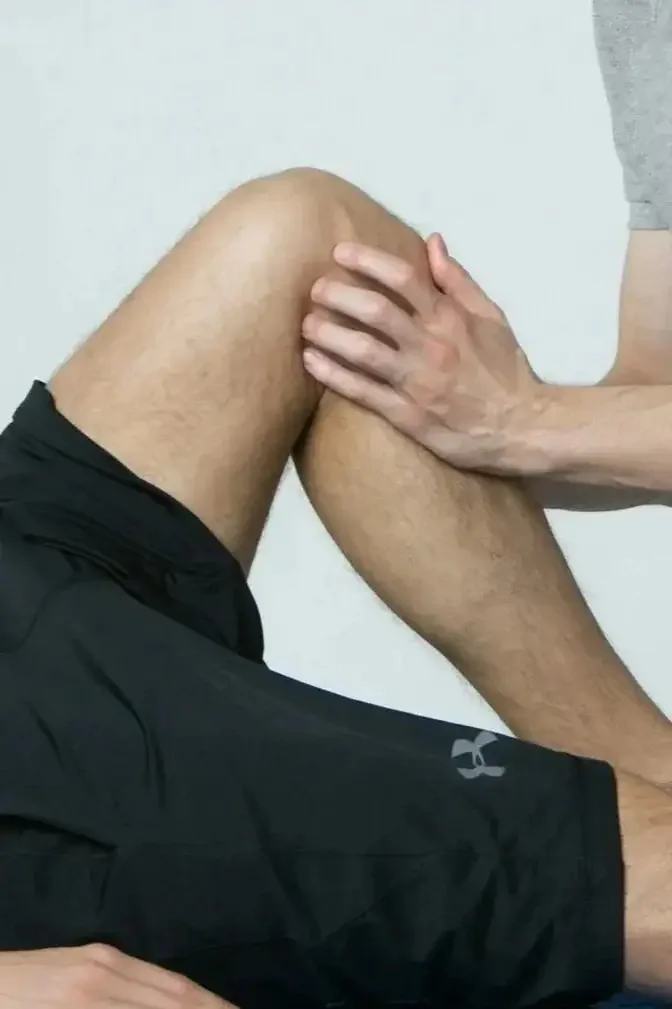
What it is: Sports has numerous health benefits, but can sometimes lead to repetitive strain, uneven muscle growth, and reduced mobility.
How it happens: Impact, overuse, or poor biomechanics lead to tension patterns, stiffness and musculoskeletal compensations.
How we treat it: I work on joint mobility, spine adjustments, muscle balance, and fascial restrictions to support recovery. Craniosacral techniques help your body integrate the treatments, and visceral work improves breathing and overall mobility -useful for every sports you can be into : golf, tennis, padel, surfing, cycling, running, lifting, combat sports, yoga, pilates and so many more.

Newborn , Babies &Children
What it is: Babies may hold tension from birth or experience issues such as reflux, plagiocephaly (flat head syndrome), and colic. As they grow, children often develop specific postural or mobility patterns or may sustain injuries while playing, climbing, or exploring new activities.
How it happens: Birth compression, feeding postures, falls, rapid growth spurts, or traumatic physical events can all create restrictions in a child's developing body.
How we treat it: I use extremely gentle craniosacral and fascial techniques to support comfort, mobility, and nervous system balance. Structural and visceral techniques are always adapted with great softness to meet the unique needs of each baby or child.